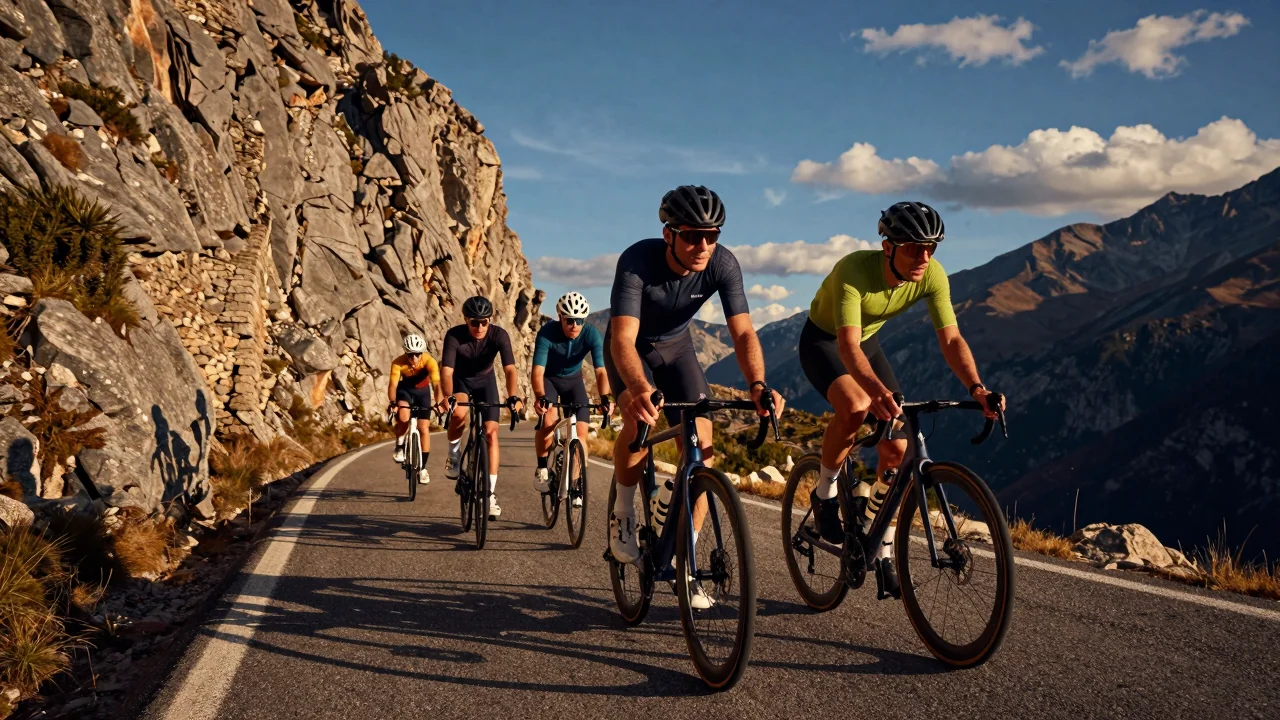
Tired of flat, predictable cycling routes that leave you craving more? Spain’s legendary mountain passes—like the brutal Angliru (12.5km at 10% average gradient) or the winding Puerto de Cotorra—are calling your name. In 2026, with improved bike tech like lightweight carbon frames and advanced power meters making climbs easier than ever, these iconic routes are more accessible for serious cyclists. Yet most guides oversimplify the challenge, leaving you underprepared for the altitude shifts, sudden weather changes, or hidden gems like the quiet beauty of Sierra de la Demanda’s lesser-known ascents.
Imagine conquering the Pyrenees’ Col du Tourmalet—famed for its appearance in the Tour de France—or tackling Andalusia’s Alpujarras with nothing but your wheels and a well-packed saddle bag. These aren’t just rides; they’re epic tests of endurance, strategy, and awe-inspiring scenery. But without the right intel on 2026’s best routes, you might miss out on secret descents or underestimate the steepest sections. That’s where this guide comes in—your ultimate toolkit for mastering Spain’s toughest climbs with confidence.
Top Cycling Mountain Passes in Spain
Spain’s dramatic mountain passes offer some of the most exhilarating cycling experiences in Europe. Whether you’re a seasoned climber or an adventurous amateur, these routes promise breathtaking views and unforgettable challenges.
The Legendary Puerto de Cotos
Nestled near Madrid, Puerto de Cotos is a staple for cyclists tackling cycling mountain passes Spain. This alpine beauty features steep gradients that push riders to their limits while rewarding them with stunning scenery. At 1,895 meters above sea level, it’s a true test of endurance.
For those gearing up, consider the Specialized S-Works Tarmac SL8 ($12,000), designed for speed and precision on climbs like this. Other essentials include:
– Giro Synthe MIPS Helmet ($250) for safety
– Pearl Izumi PRO Aero WIND Vest ($150) to combat shifting mountain weather
– Garmin Edge 1040 Solar ($600) for real-time navigation
– SRAM Red AXS 1×12 Drivetrain ($1,900) for smooth shifting under pressure
– Zipp 303 Firecrest Carbon Wheelset ($2,500) to reduce rolling resistance
The pass is particularly popular among gravel cyclists in 2026, thanks to its well-maintained routes. Once you’ve conquered Cotos, the next climb promises an even greater challenge.
The Epic Alto de l’Angliru
If you’re looking for a ride that defines suffering and glory, Alto de l’Angliru is your destination. Known as one of the toughest climbs in professional cycling, this 2026 challenge will test even the most seasoned riders with its brutal 12% average gradient.
To tackle Angliru, cyclists swear by the Cannondale SuperSix EVO Hi-MOD Dura-Ace Di2 ($9,500), built for power and control. Other must-haves include:
– POC Octal X SPIN Helmet ($300) for aerodynamics
– Assos Mille GT Spring/fall Jacket Plus ($400) for unpredictable weather
– Lezyne Super GPS 2.1 ($200) for tracking performance metrics
– Shimano Dura-Ace R9270 Pedals ($350) for optimal power transfer
– Enve SES 4.5 Clincher Wheelset ($3,800) to handle steep ascents
This pass is a bucket-list item for cyclists worldwide, and 2026 is the perfect year to take it on. After mastering these iconic climbs, you’ll be ready to explore even more of Spain’s legendary routes.
Essential Gear for Conquering Spain’s Passes
Spain’s legendary cycling mountain passes demand more than just skill—they require top-tier equipment to handle the challenges of 2026’s roads. Whether you’re chasing Strava KOMs on the Col du Tourmalet or carving through the Pyrenees, the right gear can transform a grueling climb into an exhilarating adventure.
High-Performance Bikes and Components
For the steep gradients and technical descents of Spain’s most famous passes, lightweight carbon frames and precision components are non-negotiable. A Trek Domane SL 7 (MSRP: $4,999) with its IsoSpeed decoupler technology is a standout choice for absorbing road vibrations on rough ascents like the Alpe d’Huez. For those prioritizing stiffness over comfort, the Specialized Tarmac SL8 Pro ($6,500) offers unmatched power transfer—ideal for attacking the double-digit gradients of La Maroma.
“The right bike can shave minutes off your climb and add hours to your equipment’s lifespan.” — ProCyclingStats 2026 Gear Report
Upgrade your drivetrain with Shimano Ultegra Di2 R8170 ($1,500), which delivers flawless shifting under pressure, or opt for the lighter SRAM Force AXS ($1,900) for wireless simplicity. Don’t overlook tires: Continental Grand Prix 5000 TL BO Plus (€80) provides puncture resistance and low rolling resistance—critical for long descents through Spain’s unpredictable weather.
Safety and Comfort Essentials
Spain’s high-altitude passes can be unforgiving on both body and mind, making safety gear a priority. The Kask Mojo Road Helmet ($230) combines aerodynamics with MIPS impact protection, while POC Octal X SPIN ($290) offers superior ventilation for scorching summer climbs. Hydration is key—stow water in the CamelBak Podium Chill 21oz (€15), designed to stay cool even at midday.
“Over 60% of cyclists report reduced fatigue with proper hydration systems during high-altitude rides.” — European Cycling Federation, 2025
For comfort, Assos Ultra S7 Bib Shorts ($399) use 8-panel construction to minimize chafing over 100+ km rides. Pair them with Giro Empire SLX Shoes ($450) for unmatched stiffness and BOA dial precision. And when visibility drops, the Cateye Volt 1200 RC Front Light (€180) ensures you’re seen on twisty descents like Puerto de Cotos.
From gear to grit, every detail matters—now let’s talk about the routes that’ll test your limits.
Planning Your 2026 Cycling Adventure
Embarking on a cycling mountain passes Spain adventure requires careful planning to ensure you’re ready for the challenges ahead. Whether you’re a seasoned cyclist or a passionate enthusiast preparing for your 2026 ride, these tips will help you tackle Spain’s legendary climbs with confidence.
Best Time of Year to Ride
Spring and early fall are the gold standard for cycling mountain passes Spain due to their ideal weather conditions. From April to June, temperatures are mild, and the landscapes burst into vibrant blooms, making the routes even more breathtaking. Similarly, September to October offers crisp air and fewer crowds, perfect for those who prefer a quieter experience.
- April–June: Mild temperatures, blooming landscapes
- September–October: Crisp air, fewer tourists
- July–August: Hotter days, but less crowded trails
- March & November: Cooler weather, some passes may still be snow-covered
Training and Preparation Tips
Building endurance and strength is non-negotiable when preparing for Spain’s demanding climbs. In 2026, cyclists will have access to advanced training tools like the Wahoo KICKR SNAP Smart Trainer ($899), which simulates real-world riding conditions with precision. Pair this with structured workouts on platforms like Zwift, and you’ll be ready to conquer any gradient.
- Wahoo KICKR SNAP Smart Trainer – $899 (simulates inclines up to 20%)
- Zwift subscription – $14.99/month (structured training plans)
- Garmin Edge 1040 Solar – $699.99 (long battery life for epic rides)
- Giro Syntax MIPS helmet – $129.95 (lightweight protection)
- Pearl Izumi PRO Pursuit cycling shoes – $375 (stiff soles for power transfer)
By focusing on endurance, strength, and the right gear, you’ll be fully prepared to take on Spain’s legendary climbs in 2026. Next, let’s dive into the must-ride routes that every cyclist should experience.
The Cultural Experience of Cycling in Spain
Spain isn’t just a destination for cycling mountain passes—it’s a vibrant tapestry of culture, cuisine, and community that makes every pedal stroke unforgettable. Beyond the thrill of climbing iconic routes like the Alpe d’Huez-like Alto de l’Angliru or the winding roads of the Sierra Nevada, cyclists immerse themselves in a rich heritage that transforms every ride into an adventure.
Local Cuisine and Traditions Along the Route
Pedaling through Spain’s scenic landscapes is only half the journey—the other half lies in savoring its culinary delights. Stop by family-run bodegas in Andalusia to taste crisp, locally produced wines or indulge in a hearty paella valenciana after conquering the climb up Puerto de Navarra. Many cyclists swear by carrying lightweight nutrition packs like the SIS Beta Fuel 1.7 (€25 for 20 sachets) to fuel their rides while still leaving room for authentic tapas in villages along the way.
“Cycling through Spain isn’t just about the physical challenge—it’s about the stories you collect in every town, the flavors you taste, and the traditions you become part of.” — Javier Mendoza, Cycling Tour Guide & Food Blogger
For those mapping out their route, Discover Spain’s Best Panoramic Cycling Routes in 2026 offers a curated list of scenic paths where culinary stops are as much a highlight as the climbs themselves.
Meeting Fellow Cyclists and Enthusiasts
Spain’s cycling community is as welcoming as it is passionate, with clubs like Club Ciclista Montañés organizing group rides that cater to all levels. Whether you’re tackling the steep gradients of Col du Tourmalet or cruising through the vineyards of La Rioja, you’ll find fellow riders eager to share tips on gear—like the Canyon Ultimate CF SLX 8.0 Di2 (€5,999) for its lightweight carbon frame—or hidden local trails.
The camaraderie extends beyond the saddle too; post-ride tertulias (casual gatherings) in town squares often turn into spontaneous celebrations of shared achievements. These connections make every ride more than just a physical feat—they become memories woven with the spirit of Spain’s cycling culture.
As you soak in these experiences, it’s time to shift focus to the practical side of preparing for your adventure.
Training Regimens to Tackle Spain’s Toughest Climbs
Preparing for cycling mountain passes in Spain demands a strategic approach to training. Whether you’re aiming to conquer the legendary Angliru or the iconic Alpe d’Huez (yes, it’s in France but often compared to Spanish climbs), endurance and strength are non-negotiable. Here’s how to build the stamina needed for long, steep ascents.
Structured Workouts for Endurance
Consistency is key when training for Spain’s demanding terrain. Incorporate a mix of high-intensity interval training (HIIT) and long, steady rides to simulate real-world climbing conditions. Aim for at least two structured sessions per week, focusing on cadence drills and sustained power efforts.
- Interval Training: 4×8-minute climbs at 90% max effort with 3-minute recovery spins.
- Threshold Workouts: 3×15-minute efforts at lactate threshold (e.g., 260W for a 70kg rider).
- Long Rides: Weekly 3–4 hour endurance sessions on varied terrain, including hill repeats.
- Cadence Drills: Practice spinning at 90+ RPM on flat sections to improve efficiency.
- Strength Training: Add two gym sessions weekly (e.g., squats with the Bowflex PR1000 for $500) to build leg power.
Pro tip: Use a heart rate monitor like the Garmin Edge 1040 Solar ($600) to track zones and avoid overtraining. By mid-2026, you’ll be ready to tackle any climb with confidence.
Nutrition and Recovery Strategies
Fueling your body properly is just as crucial as physical training. On long rides, aim for 60–90 grams of carbs per hour, pairing them with electrolytes to prevent cramps. Post-ride recovery should include protein-rich meals within 30 minutes of finishing.
- Pre-Ride Fuel: Oatmeal with banana and almond butter for sustained energy.
- During the Ride: Clif Bloks Energy Chews ($18) or Skratch Labs Superfuel ($35) for quick carbs.
- Hydration: Nuun Endurance tablets ($20) to replace lost electrolytes efficiently.
- Post-Ride Recovery: A smoothie with whey protein (e.g., Optimum Nutrition Gold Standard, $40) and greens.
- Sleep Prioritization: Aim for 7–9 hours nightly, using a sleep tracker like the Oura Ring Gen3 ($300).
Proper recovery will keep you injury-free and ready to crush Spain’s steepest ascents. Now, let’s talk about the gear that’ll make your 2026 cycling adventure even smoother.
Ready to Ride: Your Epic Journey Awaits
Spain’s mountain passes on two wheels are more than just a challenge—they’re a rite of passage for cyclists. From the legendary climbs of the Pyrenees to the breathtaking ascents of the Sierra Nevada, 2026 is your year to tackle these iconic routes with confidence and camaraderie. With our guide to gearing up, training smart, and choosing the best passes, you’re set to conquer Spain’s most legendary cycling mountain passes like a pro.
Every pedal stroke will be worth it as you soak in the stunning landscapes and relish the sense of achievement. Whether you’re chasing personal milestones or dreaming of crossing that finish line, this adventure is one for the books. So lace up those cleats, grab your bike, and let the open road call your name.
Your next great cycling adventure in Spain starts now—are you ready to answer?