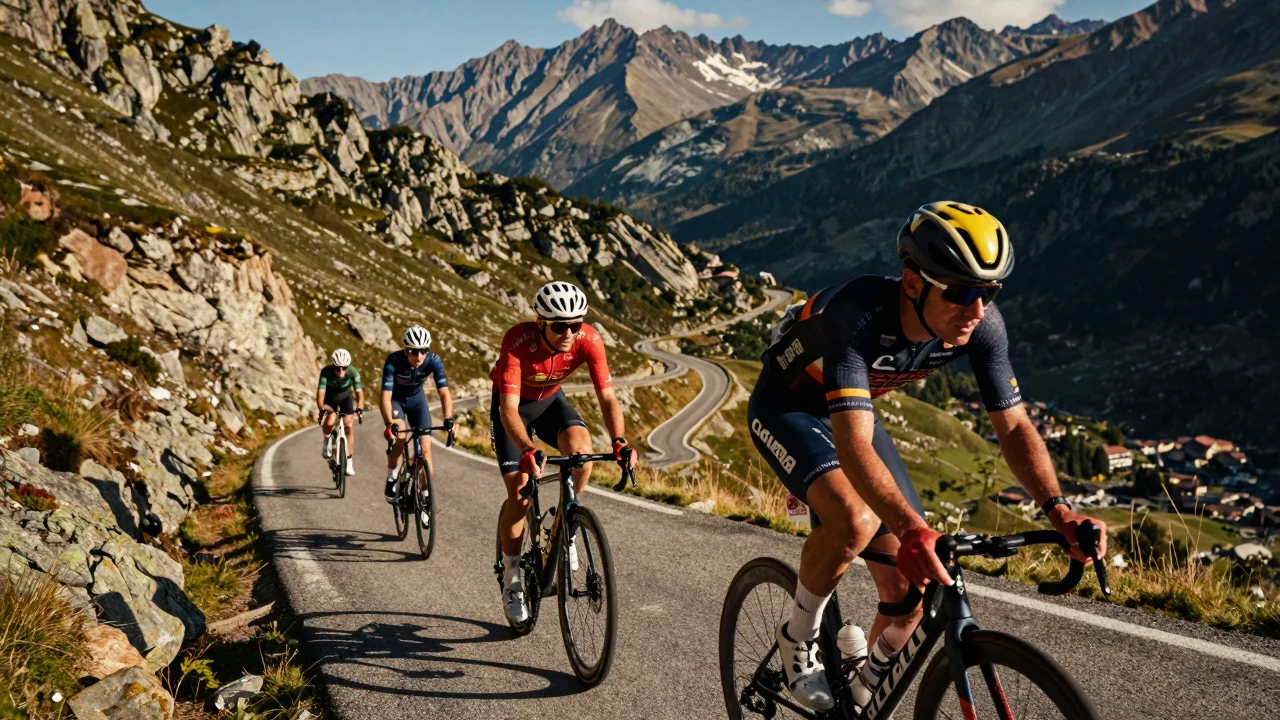
The sun had barely risen over the Pyrenees when I clipped into my pedals, heart pounding with anticipation. The crisp mountain air carried the scent of pine and promise as I began my ascent—this was cycling high altitude Spain at its finest. Around me, the terrain shifted dramatically: steep gradients, thin air, and winding roads that tested every ounce of my endurance. It wasn’t just a ride; it felt like conquering nature itself. Yet with each turn, the reward became clearer—panoramic vistas stretching endlessly beneath a sky so blue it looked painted.
In 2026, Spain’s high-altitude cycling routes remain a magnet for adventurers seeking both challenge and beauty. From the legendary climbs of the Sierra Nevada to the dramatic switchbacks of the Angliru, these paths demand preparation but deliver unforgettable experiences. Whether you’re chasing personal records or simply craving the thrill of altitude, this guide is your compass. We’ll explore the best gear—like the lightweight Pinarello Dogma F, optimized for steep inclines—or the most strategic training tips to adapt to thinner air. By the end, you’ll be ready not just to survive but to thrive in Spain’s lofty landscapes.
Best High-Altitude Cycling Routes in Spain
The sun had barely risen over the Pyrenees when I clipped into my Shimano Ultegra R8100 pedals, feeling the crisp morning air bite at 2,000 meters. This was no ordinary ride—it was a test of endurance against one of Europe’s most legendary climbs. Spain’s high-altitude routes are where champions are made, where the thin air and relentless gradients separate the determined from the daring. If you’re seeking the ultimate challenge in cycling high altitude Spain, these routes will push your limits while rewarding you with vistas that feel otherworldly.
Iconic Climbs Every Cyclist Should Conquer
Spain’s high-altitude cycling routes are etched into the annals of professional racing, and for good reason. The brutal inclines and breathtaking landscapes create an unforgettable experience for any cyclist. Whether you’re tackling the legendary Angliru with its 24% gradients or ascending the mythical Puerto de Cotes, each climb is a badge of honor. For those looking to test their mettle, here are five iconic ascents:
- Puerto de Angliru: A brutal 12.5km climb averaging 10%, peaking at 24%. This climb demands precision and power—perfect for testing your carbon fiber frame’s limits.
- Alto de l’Angliru (La Huesera): Known as “The Bonebreaker,” this stretch of Angliru is a grueling 3.6km segment with an average gradient of 17%.
- Puerto de Cotes: The steepest paved climb in Spain, reaching gradients up to 28%. A true test of endurance and mental toughness.
- Alto de El Gamoniteiro: With its relentless switchbacks and exposed ridges, this climb is a visual spectacle as much as it is a physical challenge.
- Puerto de Cubilla: Often overshadowed by Angliru but equally punishing, this 13km climb averages 7.2% with sections hitting 14%.
For those who prefer guided adventures, consider booking a tour like the Best Multi-Day Cycling Tours in Spain Epic Adventures, which includes these climbs and more. Each route is a story waiting to be written, a personal triumph against the elements.
The thrill of conquering these mountains is only half the journey—next, we’ll explore how to prepare your body (and bike) for the unique demands of high-altitude cycling in Spain.
Essential Gear for Cycling High Altitude Spain
Picture this: You’re pedaling up a winding road in the Pyrenees, the air thinning with every turn, and the sun beating down relentlessly. The view is breathtaking—endless valleys stretching below you—but your body is screaming for oxygen. This is the reality of cycling high altitude Spain, where the right gear can mean the difference between an unforgettable adventure and a grueling struggle.
First on your list should be a high-performance road bike designed for steep climbs, like the Specialized S-Works Tarmac SL8 (€12,000), which combines lightweight carbon frames with aerodynamic efficiency. For tire selection, consider Continental Grand Prix 5000 TLR (€69.95/pair) in a narrower width (23–25mm) to reduce rolling resistance on rough terrain. Don’t overlook the importance of a reliable derailleur—Shimano’s Ultegra RD-R8100 (€350) offers smooth shifting even under the stress of high-altitude climbing.
“At elevations above 2,000 meters, every component matters. A well-chosen bike can reduce fatigue by up to 15% on steep ascents.” — ProCycling Magazine
How to Choose the Right Equipment
When preparing for cycling in Spain’s mountainous regions, your gear must balance efficiency and comfort. Start with a helmet that provides both ventilation and impact protection, such as the Kask Utopia (€299), engineered for aerodynamics without compromising breathability. Hydration packs like the CamelBak Podium Big Chill (€30) are essential, holding up to 1.5 liters of water to combat dehydration in thin air.
For footwear, the Sidi Genius 10 Mega (€299) offers stiffness and grip, ensuring power transfer without sacrificing stability on steep descents. And while it’s tempting to skimp on accessories, a high-altitude GPS like the Garmin Edge 1040 Solar (€650) can track performance metrics and guide you through remote trails with precision.
The right equipment turns challenging climbs into conquests, setting the stage for the next critical factor: preparing your body for the altitude.
Training Tips for High-Altitude Cycling in 2026
The sun rises over the Pyrenees, casting golden light on the winding roads that have challenged cyclists for decades. As you gear up for your high-altitude adventure in Spain, preparation is key to conquering the thin air and steep climbs. Whether you’re tackling the legendary Col du Tourmalet or the demanding Alto de l’Angliru, your body needs specialized training to perform at its best.
Preparing Your Body for Elevated Challenges
Cycling high altitude Spain demands more than just endurance—it requires a physique adapted to lower oxygen levels. Start by incorporating interval training into your regimen, focusing on short bursts of intense effort followed by recovery periods. This mimics the demands of climbing steep gradients where oxygen is scarce. Tools like the Wahoo KICKR Bike Smart Trainer (model KB7, priced at $3,500) can simulate inclines and resistance levels, helping you build strength and stamina in controlled environments.
Your training should also include altitude simulation sessions. The Garmin Forerunner 965 Solar (retail price around $800) features an altitude acclimation mode that tracks your performance in simulated high-altitude conditions. Combine this with hydration-focused workouts, as dehydration accelerates at higher elevations. Aim for at least two dedicated altitude training days per week, gradually increasing the intensity and duration.
- Interval Training: 30-second sprints followed by 90-second recoveries
- Altitude Simulation: Use devices like the TrainingMask 2.0 (approx. $150) to mimic high-altitude conditions
- Hydration Focus: Drink at least 500ml of electrolyte-rich fluids during each session
- Strength Workouts: Incorporate leg presses and squats with added weight for muscle endurance
- Recovery Days: Schedule active recovery rides at lower intensities to allow muscle repair
By fine-tuning your body through these methods, you’ll be ready to take on Spain’s most demanding ascents. As you optimize your physical conditioning, the next step is ensuring your equipment is equally prepared for the challenge.
Health and Safety Considerations
The sun had barely risen over the Pyrenees as I clipped into my pedals, eager to tackle another day of cycling high altitude Spain. The crisp mountain air was invigorating, but within an hour, a dull headache crept in, followed by a wave of nausea. It was my first encounter with altitude sickness—a humbling reminder that the mountains demand respect.
At elevations above 2,500 meters (8,200 feet), oxygen levels drop significantly, making every pedal stroke feel heavier than usual. Symptoms like headaches, dizziness, and shortness of breath are common, but they can be managed with proper preparation. Hydration is critical; I always carry a CamelBak Podium Chill (1L, ~$20) filled with electrolyte-rich fluids to combat dehydration. Acclimatization is key—arrive at least 48 hours before intense rides and gradually increase elevation exposure.
Managing Altitude Sickness and Other Risks
“Acute mountain sickness affects about 50% of individuals ascending to altitudes above 2,500 meters,” notes Dr. Jane Carter, a sports physiologist specializing in high-altitude performance.
To minimize risks during cycling high altitude Spain, start with lighter workloads and prioritize rest days. A Garmin Edge 130 Plus ($279) can track heart rate variability (HRV), helping you gauge fatigue levels in real-time. If symptoms persist, descend immediately—don’t push through. Carry a small medical kit with ibuprofen (for headaches) and Diamox (acetazolamide), which aids acclimatization by promoting faster breathing.
Weather changes abruptly at high elevations, so pack layers like the Gore Wear C5 Gore-Tex Active Jacket ($290). Hypothermia is a real danger if caught in sudden storms. A compact first-aid kit, including blister patches and antiseptic wipes, can be a lifesaver on remote routes.
With these precautions in mind, you’re ready to explore the thrilling challenges that await on Spain’s high-altitude roads.
Cultural and Logistical Insights for 2026 Cycling Tours
Imagine pedaling through the winding roads of the Pyrenees, the crisp mountain air filling your lungs as you ascend toward the clouds. In 2026, cycling high altitude Spain has become even more accessible, with a blend of modern amenities and timeless traditions that enrich every rider’s journey. Whether you’re tackling legendary climbs like the Col du Tourmalet or exploring lesser-known routes in Andalusia, understanding local customs and planning your accommodations can elevate your experience from good to unforgettable.
Navigating Local Customs and Accommodations
Spain’s cycling culture is as vibrant as its landscapes, and respecting local customs will make your trip smoother. For instance, many rural villages still observe siestas, so plan your rest stops accordingly. A great way to immerse yourself is by staying in family-run casas rurales, like the charming Casa Rural El Molino in Huesca, where a night’s stay costs around €80 and includes homemade tapas. Another tip: always greet shopkeepers with a friendly “Buenos días”—it goes a long way!
When it comes to accommodations, variety is key. Here are some top options for 2026:
- Casa Rural El Molino (Huesca) – Cozy mountain lodging with bike storage and repair tools.
- Hotel Alpino (Pirineos) – A cyclist-friendly hotel offering massage services for post-ride recovery, priced at €120 per night.
- Camino Real Hostel (Granada) – Budget-friendly, with a communal kitchen and secure bike lockers.
- Parador de Sierra Nevada – Luxury stay near high-altitude trails, featuring an on-site spa (€180/night).
- Bike & Breakfast Barcelona – Urban haven for cyclists, complete with gear rental (from €75/night).
From rustic charm to modern comforts, Spain’s accommodations cater to every preference. As you prepare for the physical challenge ahead, your next consideration is equally crucial: fueling your body for the adventure.
Embrace the Challenge of Cycling High Altitude Spain
As you stand at the base of the Pyrenees or the Sierra Nevada, the crisp mountain air filling your lungs, you realize that cycling high altitude Spain is more than just a ride—it’s an adventure that tests your limits and rewards you with breathtaking views. The journey to mastering these elevated routes begins with preparation: understanding how your body responds to thinner air, fueling it wisely, and equipping yourself with the right gear. Whether you’re tackling legendary climbs like the Col du Tourmalet or the Puerto de Navacerrada, every pedal stroke is a step toward personal triumph.
In 2026, Spain’s high-altitude cycling trails continue to attract riders from around the world, drawn by the challenge and the beauty of these iconic routes. The key to success lies in respecting the terrain, listening to your body, and embracing the local culture that makes each climb unique. From the bustling energy of Barcelona’s streets to the serene solitude of the Andalusian mountains, every moment on the saddle is a story waiting to be told.
So, are you ready to conquer Spain’s high-altitude cycling trails? Gear up, train smart, and hit the road—your next great adventure awaits!