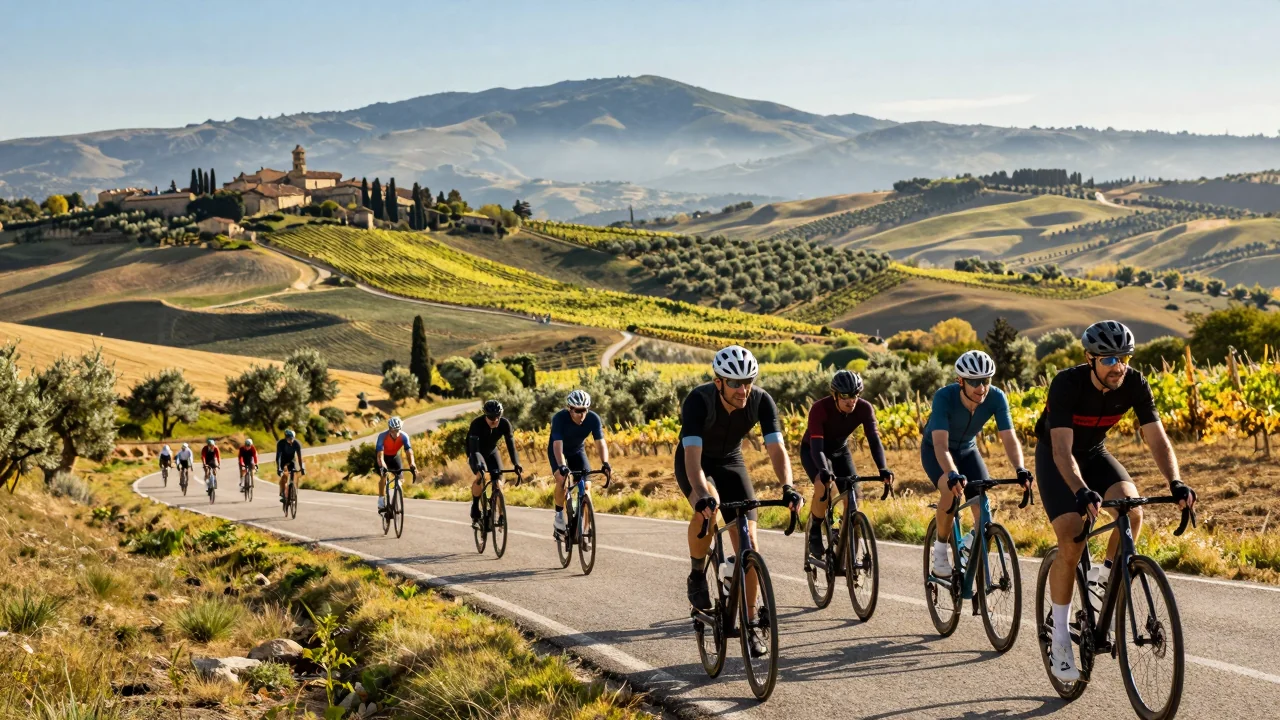
The sun beats down on your back as you pedal through arid plains, the air thick with heat and dust—sound familiar? If you’ve ever attempted to cycle Spain during its scorching summer months, you know the struggle all too well. The roads become a furnace, sapping your energy before you even reach the most scenic stretches of the Camino de Santiago or the rugged trails of Costa Brava. For serious cyclists, finding the best time cycling Spain isn’t just about avoiding discomfort—it’s about unlocking routes that are safe, enjoyable, and tailored to your fitness level.
Spain’s cycling season is a finely tuned balance between climate, crowd levels, and route conditions. Ride too early in spring, and you might face unexpected downpours along the Pyrenees; wait until late autumn, and daylight hours shrink dramatically, cutting short epic coastal rides like the Via Verde de la Sierra. According to data from Spain’s National Meteorological Agency (AEMET), the sweet spot for cycling spans April through June and September through October—months where temperatures hover in the 60s–70s°F (15–24°C) and the country’s famed cycling infrastructure, like the Route of Don Quixote, is at its most inviting. Whether you’re chasing personal bests or soaking in Andalusia’s orange groves, timing your trip right transforms a good ride into an unforgettable adventure.
Best Time to Cycle Spain in 2026
Choosing the best time cycling Spain hinges on balancing favorable weather conditions with optimal riding experiences. With its diverse climate zones—from Mediterranean coasts to mountainous regions—Spain offers something for every cyclist year-round, but spring and autumn stand out as prime seasons.
Seasonal Weather Overview
Spain’s climate varies dramatically by region, influencing the best time cycling Spain. Coastal areas like Catalonia and Valencia enjoy mild winters (averaging 10–15°C) and warm summers (up to 30°C), while inland regions such as Andalusia experience scorching summers (often exceeding 40°C in July). The Pyrenees and Sierra Nevada bring cooler temperatures year-round, with snow lingering well into spring. Rainfall is heaviest in late fall and early winter, particularly in the north.
- Spring (March–May): Ideal for coastal and northern routes, with temperatures between 15–25°C.
- Summer (June–August): Best avoided for inland cycling due to extreme heat; stick to high-altitude or coastal rides.
- Autumn (September–November): Perfect for long-distance touring, with stable weather and fewer tourists.
- Winter (December–February): Suitable only for experienced riders tackling mountain passes or warmer southern regions.
Optimal Months for Cycling
The best time cycling Spain is undeniably during spring (April–June) and autumn (September–October), when temperatures are moderate, crowds thin out, and landscapes burst with color. April and May bring blooming wildflowers along routes like the Camino de Santiago, while September offers crisp air and golden light—ideal for capturing stunning photography. Avoid July and August unless targeting early morning rides or shaded trails to escape the midday heat.
- April–May: Fewer tourists at popular stops like the Costa Brava.
- June (early): Still pleasant before peak summer temperatures hit.
- September: Post-summer lull means quieter roads and lower accommodation prices.
- October: Fall foliage enhances scenic routes in regions like Asturias.
For cyclists prioritizing comfort and scenery, these months deliver the perfect blend of ideal conditions. Next, let’s explore Spain’s top cycling routes tailored to different skill levels.
Top Epic Cycling Routes in 2026
Spain’s diverse landscapes offer some of the world’s most breathtaking cycling routes, catering to all skill levels and preferences. Whether you’re chasing mountain peaks or coastal breezes, knowing the best time to cycle Spain ensures an unforgettable adventure.
Pyrenees Loop: Mountain Challenges
For experienced cyclists, the Pyrenees Loop is a must-ride, featuring demanding climbs like the Col du Tourmalet and the Port de la Bonaigua. This route tests endurance with its high-altitude passes, but rewards riders with panoramic views of rugged peaks and deep valleys. The best time to tackle this challenge is between June and September when roads are clear and weather conditions are stable.
“The Pyrenees remain one of Europe’s most technical cycling challenges, attracting pros and enthusiasts alike for its unparalleled beauty and intensity.” — Cycling Weekly
Equipped with a lightweight carbon frame like the Specialized S-Works Tarmac SL8 (€12,000) or the Canyon Ultimate CFR (€9,500), cyclists can conquer these gradients with precision. For detailed multi-day itineraries, check out Best Multi-Day Cycling Tours in Spain Epic Adventures.
Andalusia Coastal Ride
If you prefer a more relaxed pace, the Andalusia Coastal Ride offers sun-soaked routes along the Mediterranean. This region boasts mild winters and warm summers, making it ideal for year-round cycling—though spring (March to May) provides perfect temperatures without crowds. The route winds through whitewashed villages like Nerja and Estepona, with gentle inclines and ocean views that are unbeatable.
Riders often opt for endurance-focused bikes such as the Trek Domane SLR 9 (€10,500) or the Giant Defy Advanced Pro 2 (€4,200), designed to handle long distances comfortably. The coastal roads here are well-maintained, and the best time to cycle Spain’s south aligns with festival seasons, adding cultural richness to the ride.
With these iconic routes explored, it’s time to consider how weather and seasonality can further elevate your cycling experience in Spain.
Packing Essentials for Your 2026 Cycling Trip
Embarking on a cycling adventure through Spain in 2026 requires careful preparation to ensure both comfort and safety. The best time to cycle Spain varies by region and personal preference, but regardless of when you choose to go, having the right gear is non-negotiable. From high-performance bicycles to weather-specific apparel, your packing list should be tailored to maximize efficiency and enjoyment on the road.
Gear Checklist
Your cycling equipment should strike a balance between functionality and durability. A lightweight yet robust bicycle frame is essential, with options like the Trek Émonda SL 7 (starting at €3,200) or the Specialized Tarmac SL7 Comp (€4,800) offering excellent performance for long-distance routes. Pair your bike with high-quality accessories such as the Garmin Edge 1040 Solar GPS device (€650), which provides real-time navigation and performance tracking. Other must-haves include:
- Helmet: Giro Synthe MIPS (€250) for superior impact protection.
- Cycling shoes: Shimano S-Phyre RC903 (€475) for optimal power transfer.
- Hybrid saddle: Fi’zi:k Antares Versus Evo (€160) for long-distance comfort.
- Water bottles: CamelBak Podium Chill (€20 each) to stay hydrated in varying temperatures.
Additionally, a reliable repair kit—such as the Topeak Alien 2 (€85)—ensures you’re prepared for unexpected mechanical issues on remote stretches of Spanish roads.
Weather-Specific Tips
Spain’s diverse climate demands adaptable packing. Spring and autumn are ideal for cycling due to mild temperatures, but evenings can be chilly, making layers like the Castelli Alpha ROS 2 Long Sleeve Jersey (€180) invaluable. For summer routes along coastal areas or inland plains, prioritize breathable fabrics such as those found in the Pearl Izumi PRO Air Jersey (€150), which wicks moisture efficiently under intense sun. Winter cycling in Spain’s mountainous regions requires thermal gear like the Assos LX.HV.Cyclimb Jacket (€320) to combat sub-zero temperatures.
Rainfall is unpredictable, especially in northern regions during late spring, so a compact, waterproof jacket such as the Gore Wear C5 GORE-TEX Active Jacket (€270) should always be within reach. Lightweight gloves and reflective vests enhance visibility during low-light conditions, ensuring safety on less-traveled paths.
With your gear carefully selected, it’s time to consider how these choices align with Spain’s seasonal cycling challenges.
Cultural Experiences Along the Way
Spain’s rich cultural tapestry makes it one of the best destinations for cyclists seeking both adventure and enrichment. The country’s diverse landscapes are punctuated by vibrant towns, historic landmarks, and culinary hotspots that transform a simple bike ride into an immersive journey. Whether you’re pedaling through Andalusia or navigating the Pyrenees, every route offers unique opportunities to engage with local traditions and flavors.
Local Cuisine and Rest Stops
Cycling Spain isn’t complete without indulging in its world-renowned cuisine, which provides the perfect energy boost for long rides. Along the Camino de Santiago, cyclists can refuel at Casa Ruben in Astorga, famous for its hearty cocido leones (a traditional chickpea stew) and artisanal empanadas, priced around €12–€15 per dish. For a post-ride treat in Valencia, stop by Horchatería Santa Catalina, where fresh horchata made from tiger nuts pairs perfectly with fartons (sweet pastries) at just €3.50. These stops not only rejuvenate weary riders but also offer a taste of Spain’s gastronomic heritage.
“Spanish cuisine is a critical part of the cycling experience, offering high-energy, nutrient-rich dishes that align perfectly with endurance athletes’ needs.” — Nutritionist and Tour de France consultant, Dr. Laura Mendez
Historical Landmarks to Visit
Spain’s cycling routes are studded with historical treasures that cyclists can explore between rides. Along the Via Verde de la Sierra in Andalusia, riders can detour to the Alhambra of Granada, a UNESCO-listed Moorish fortress with intricately designed gardens and palaces dating back to the 13th century (entry fee: €16). In Catalonia, the medieval city of Girona, featured in scenes from Game of Thrones, offers cyclists a chance to walk its ancient Jewish Quarter or visit the stunning Girona Cathedral for just €7. These landmarks turn a cycling holiday into an educational adventure.
With so much cultural richness along Spain’s routes, it’s clear why this destination remains a top choice for cyclists seeking both challenge and inspiration.
Safety Tips for Cycling in Spain in 2026
Planning your cycling adventure through Spain requires careful consideration of safety to ensure an enjoyable experience. The best time for cycling Spain is between April and June or September and October, when weather conditions are ideal and tourist crowds are manageable. However, even during these optimal periods, adhering to local regulations and being prepared for emergencies is crucial.
Road Regulations and Etiquette
Navigating Spanish roads safely begins with understanding the legal framework and cycling etiquette. Spain has strict traffic laws that apply to cyclists, including mandatory helmet use in some regions like Catalonia and the requirement for bicycles to be equipped with front and rear lights after sunset. Additionally, cyclists must follow road signs, signal turns clearly, and avoid riding on sidewalks unless explicitly permitted.
To blend seamlessly into Spanish traffic, observe these key guidelines:
– Always ride on the right-hand side of the road, especially outside urban areas.
– Use hand signals to indicate turns or stops—left arm extended horizontally for a left turn, bent upward for a right turn.
– Obey speed limits and maintain a safe distance from vehicles, particularly on narrow roads.
– Carry identification at all times, as required by Spanish law.
– Familiarize yourself with the DGT (Dirección General de Tráfico) app, which provides real-time traffic updates and road closures.
Emergency Preparedness
Even the most prepared cyclists can encounter unexpected situations. Being ready for emergencies ensures you can respond swiftly and effectively. Pack a basic first aid kit that includes bandages, antiseptic wipes, pain relievers, and any personal medications. A compact but reliable first aid kit like the Adventure Medical Kits Ultralight/Watertight .7 (priced at around €25) is lightweight and fits easily into a cycling jersey pocket.
Additionally, save local emergency numbers in your phone:
– 112: General emergency number for police, medical, or fire services.
– 061: Medical emergencies (ambulance).
– 091: National Police.
– 085: Forestry firefighters (useful in rural areas).
Consider investing in a Garmin Edge 130 Plus (approximately €249), which offers GPS tracking, incident detection, and automated emergency alerts to pre-set contacts. This device can be a lifeline if you encounter an accident or require immediate assistance.
While safety is paramount, it’s equally important to consider the best routes for your cycling adventure in Spain.
Final Thoughts: Planning Your Perfect Cycling Adventure
Choosing the best time cycling Spain is crucial for an optimal experience, balancing ideal weather conditions, scenic beauty, and manageable crowds. Spring (April to June) offers mild temperatures and blooming landscapes, while fall (September to October) provides warm days and crisp evenings—both perfect for long-distance routes like the Camino de Santiago or coastal rides along the Costa Brava. Summer (July to August) remains popular but demands early starts and hydration planning due to higher temperatures in regions like Andalusia.
For those seeking a more tranquil journey, late winter (February to March) is ideal, with fewer tourists and pristine trails, especially in northern Spain’s Basque Country or Catalonia. Regardless of the season, 2026 promises exciting new cycling infrastructure and route enhancements, making this year a standout choice for adventurers.
Ready to pedal through Spain’s breathtaking landscapes? Start planning your best time cycling Spain adventure today!