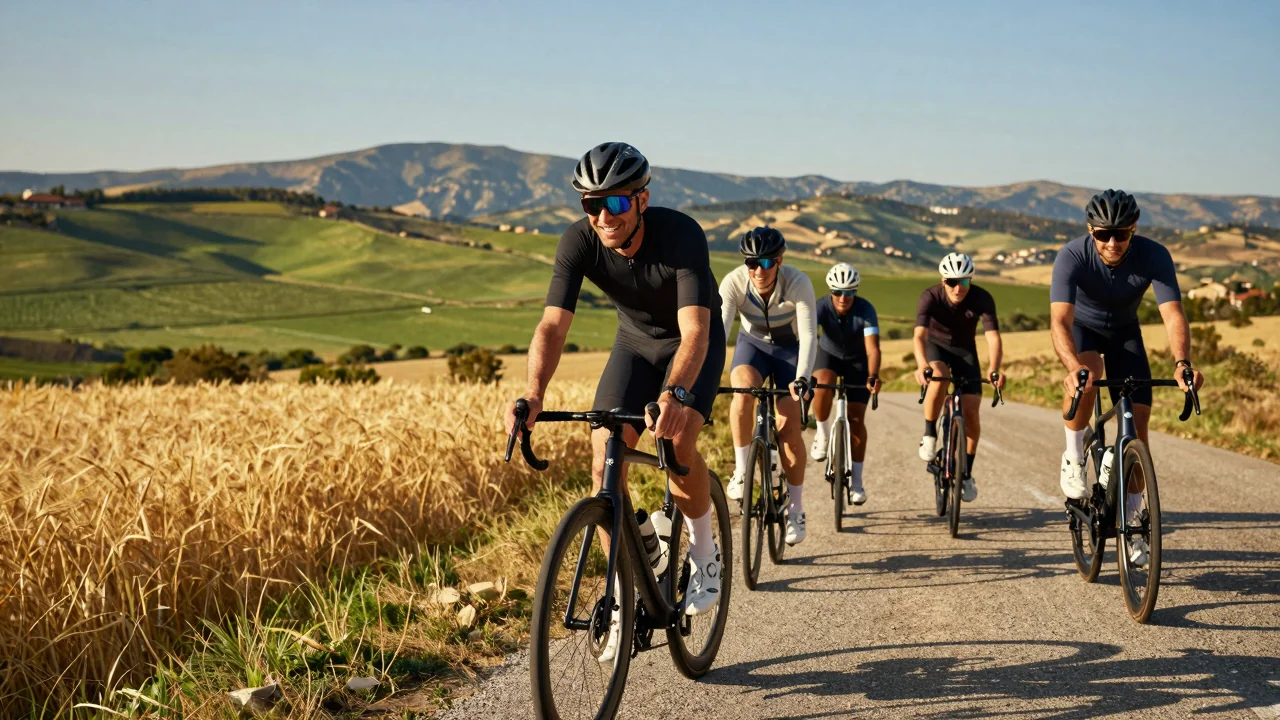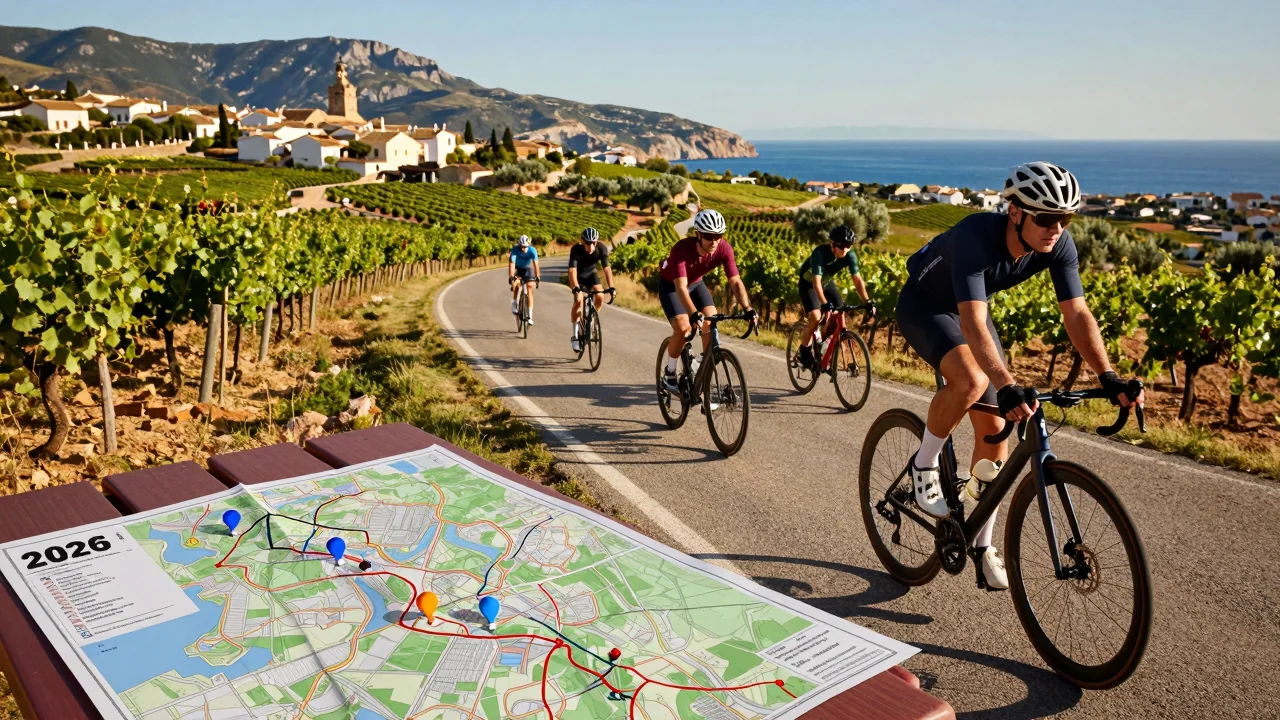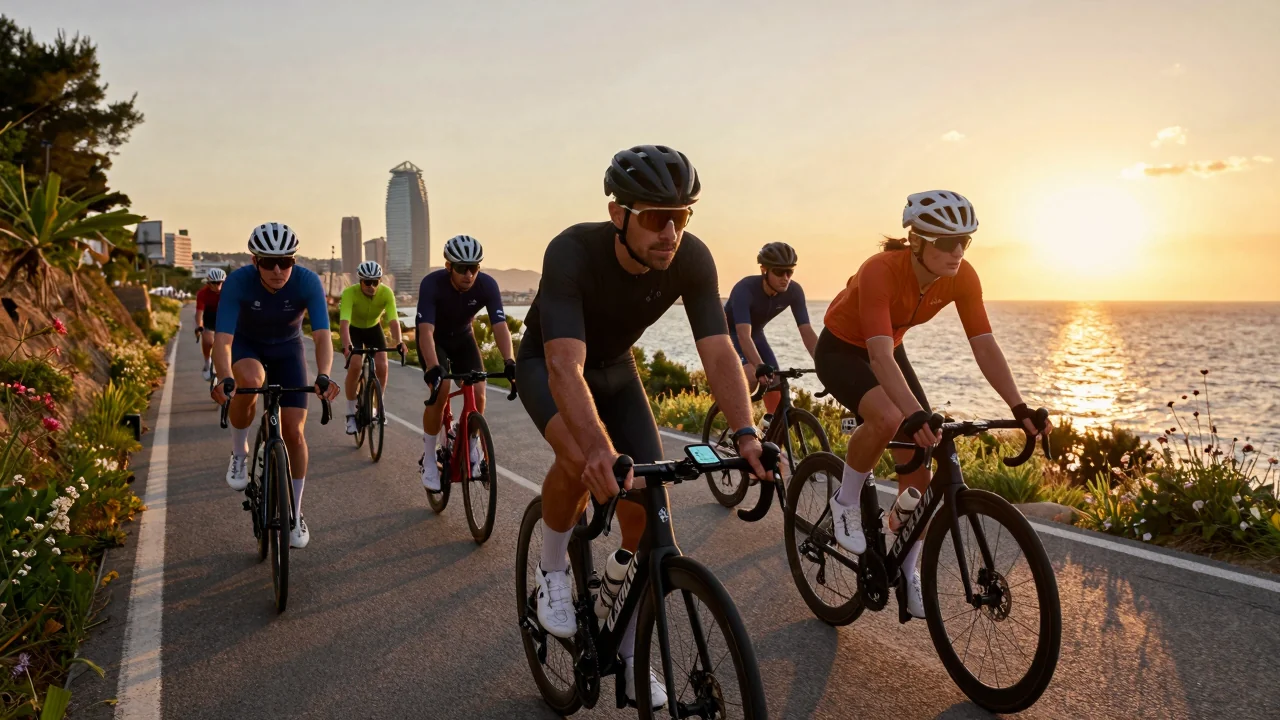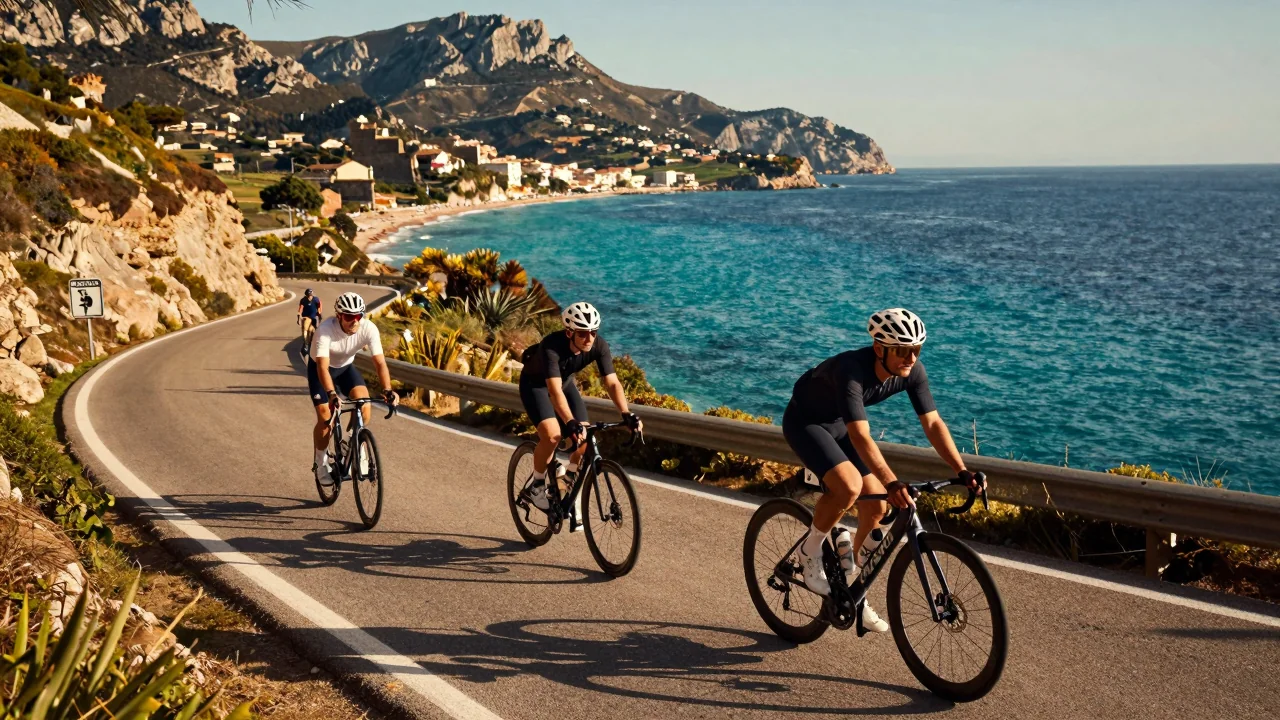
Picture this: You’re pedaling along a sun-drenched coastal path, the salty breeze rustling through your hair as turquoise waves crash below. Suddenly, you spot a group of cyclists ahead, their bright jerseys standing out against the cliffs—one of them has just popped open a pack of Clif Bloks for an energy boost. That’s the magic of cycling coastal roads in Spain: every turn feels like a postcard come to life.
If you’re dreaming of epic rides where adrenaline meets serenity, 2026 is your year to explore Spain’s best cycling coastal roads. Whether you’re a seasoned rider or just dipping your wheels into road biking, these routes promise jaw-dropping scenery and terrain that’ll test your limits in the best way possible. From the rugged beauty of Galicia’s Rías Baixas to the sun-kissed trails of Andalusia, Spain’s coastlines are calling—are you ready to answer?
Top Coastal Cycling Roads Spain for 2026
Ready to pedal your way through some of the most breathtaking coastal views in Europe? Spain’s coastline is a dream come true for cycling enthusiasts, offering everything from sun-drenched Mediterranean shores to wild Atlantic cliffs. Whether you’re planning an epic bike tour or just looking for weekend rides, these routes will leave you spellbound. And with 2026 promising even more bike-friendly infrastructure and scenic upgrades, there’s no better time to hit the road.
The Camí de Ronda: A Mediterranean Masterpiece
If there’s one coastal cycling route in Spain that every cyclist should experience at least once, it’s the Camí de Ronda. Stretching along the Costa Brava, this historic path follows an old smugglers’ trail, offering jaw-dropping sea views, charming fishing villages, and medieval fortresses. The ride is relatively flat with gentle climbs, making it perfect for intermediate cyclists or those looking to enjoy a leisurely pace while soaking in the scenery.
Here’s what makes this route unforgettable:
– Scenic diversity – From turquoise coves to rocky cliffs, every turn reveals a new postcard-worthy vista.
– Historic charm – Pass by landmarks like the Castle of Tossa de Mar and the medieval town of Pals.
– Great food stops – Sample fresh seafood at seaside restaurants or grab tapas in quaint villages.
– Well-maintained paths – The route is mostly paved, with some gravel sections that add a fun challenge.
– Bike-friendly towns – Places like Cadaqués and Roses have bike rentals and repair shops.
The Atlantic Coast Route: Wild Beauty Unleashed
For those who crave a more adventurous ride, the Atlantic Coast Route in northern Spain is a must. This less-traveled path takes you through rugged landscapes, lush green hills, and dramatic cliffs that crash into the wild Atlantic Ocean. It’s ideal for experienced cyclists who want a mix of challenging climbs and serene coastal stretches.
What sets this route apart?
– Unspoiled nature – Explore national parks like Picos de Europa or the stunning beaches of Asturias.
– Fewer crowds – Unlike busier southern routes, you’ll often have the road to yourself.
– Cultural gems – Stop in historic towns like Ribadesella or Llanes for a taste of authentic Spanish life.
– Variety in terrain – Expect everything from steep mountain passes to smooth coastal roads.
– Perfect for gravel bikes – Many sections are best tackled on a rugged bike like the Cannondale Topstone 4, priced around €1,800.
Both routes promise unforgettable adventures, but if you’re looking for something even more thrilling, just wait until we dive into Spain’s hidden cycling gems.
Why 2026 is the Best Year to Cycle Spain’s Coastal Roads
Imagine gliding along sun-drenched coastal roads with the Mediterranean breeze at your back—sounds like a dream, right? Well, in 2026, that dream is easier to achieve than ever before! Whether you’re a seasoned cyclist or just looking for a scenic adventure, Spain’s cycling coastal roads are more inviting and well-equipped this year.
New Infrastructure Improvements for Cyclists
Spain has been investing heavily in its cycling infrastructure, and 2026 is the year it all comes together. The country has expanded its network of protected bike lanes, particularly along popular routes like the Costa Brava and Andalusia’s coastline. Many of these paths now feature smooth asphalt surfaces, clear signage, and even solar-powered lighting for evening rides.
One standout upgrade? The integration of smart rest stops every 20–30 kilometers, equipped with charging stations for e-bikes (like the Specialized Turbo Vado SL 5.0—a fantastic choice at around $4,000) and hydration stations. These stops also offer bike repair kits and real-time route updates via touchscreen displays.
“Infrastructure is key to making cycling accessible. Spain’s recent investments have reduced accidents by 30% on major coastal routes.” — Carlos Mendez, Director of Cycling Infrastructure at the Spanish Ministry of Transport
Climate-Friendly Travel Incentives
If you’ve been waiting for the perfect excuse to swap your car for a bike, now’s the time! Spain’s government is pushing eco-friendly tourism with tax incentives and discounts on accommodations for cyclists. Book a stay at eco-certified hotels like Hotel Alimar in Valencia (starting at €120/night), which offers free bike storage and maintenance services.
Additionally, many coastal towns now provide free public transit for cyclists carrying their bikes—a huge perk if you want to mix cycling with exploring cities like Barcelona or Málaga. And let’s not forget the Green Pass program, where cyclists earn points redeemable for gear from brands like Decathlon—how cool is that?
With these improvements and incentives, 2026 truly feels like the golden year to hit Spain’s cycling coastal roads—and we’re just getting started on the must-ride routes!
Essential Gear for Cycling Spain’s Best Coastal Roads
So, you’re dreaming of pedaling along Spain’s sun-drenched coastline, but what should you pack to make the most of your adventure? Whether you’re tackling the winding cycling coastal roads Spain has to offer or cruising through charming seaside villages, having the right gear can turn a good trip into an unforgettable one.
Must-Have Equipment for Comfort and Safety
First things first: comfort and safety are non-negotiable. A high-quality helmet like the Giro Synthe MIPS (around €150) is a must—it’s lightweight, aerodynamic, and designed to protect your noggin from bumps and scrapes. Pair it with padded shorts, such as the Pearl Izumi Quest Cycling Short (€80), for those long stretches where you’ll want every mile to feel smooth.
Don’t forget a reliable GPS device! The Garmin Edge 530 (€270) is a game-changer, offering real-time navigation, performance tracking, and even incident detection—perfect for solo riders exploring remote coastal paths. And if you’re planning multi-day trips, waterproof panniers like the Ortlieb Ultimate6 Classic Plus (€130) will keep your belongings dry during sudden Mediterranean showers.
Budget-Friendly Tips for Cyclists
Who says cycling Spain’s best routes has to break the bank? With a little savvy planning, you can enjoy affordable adventures without skimping on quality. Start by renting gear locally—many coastal towns offer bike rentals with full touring setups for as low as €30 per day.
Another pro tip: pack light and multifunctional. A versatile jacket like the Decathlon Ulterial Cycling Jacket (€40) can handle everything from drizzly mornings to windy afternoons, while a compact repair kit with essentials like tire levers and a mini pump ensures you’re prepared for minor mishaps.
For budget-conscious travelers, check out our guide on Affordable Cycling Holidays in Spain Scenic Routes & Hidden Gems to discover hidden gems and money-saving tricks that’ll let you ride longer without stressing over costs.
Now, with your gear sorted, it’s time to dive into the routes that make Spain a cyclist’s paradise—starting with the most breathtaking stretches along the coast.
Planning Your 2026 Cycling Adventure in Spain
So, you’re ready to hit those incredible cycling coastal roads Spain has to offer? Awesome! But before you pedal off into the sunshine, let’s talk planning—because trust me, a little prep goes a long way.
Best Times of Year to Visit
Spain’s coastal cycling routes are stunning year-round, but timing matters. Spring (March to May) and fall (September to November) are ideal: temperatures are mild, crowds are thinner, and the scenery is breathtaking. Summer? Hot, yes—but if you love long daylight hours and vibrant beachside energy, it’s worth the heat. Winter brings cooler temps and fewer tourists, perfect for a peaceful ride.
Here’s a quick seasonal breakdown to help you decide:
– Spring: Wildflowers in bloom, gentle breezes—ideal for moderate climbers.
– Summer: Long days, warm nights—but pack sunscreen and hydration packs like the CamelBak Podium Chill 21 oz (around $15).
– Fall: Harvest season adds rustic charm to coastal towns.
– Winter: Quieter routes, but some rental shops may have limited hours.
Local Resources and Support Networks
You don’t need to bring everything from home—Spain’s got you covered. From high-end rentals to emergency repairs, the coast is dotted with bike-friendly services. Need a road-ready steed? Check out BikeRental Spain in Barcelona or Costa Brava Cycles, both offering top-tier models like the Trek Domane SL 5 (about €2,500 for weekly rentals). And if you’re venturing into remote areas, know that shops like Mallorca Bike Points provide mobile repair vans—super handy!
Here’s a quick checklist of essentials to locate before your trip:
– Bike rental shops: Look for places with modern fleets and helmet options.
– Repair services: Some even offer e-bike battery swaps on the go!
– Guided tours: Companies like Andalusia By Bike provide expert-led coastal routes.
– Gear stores: Stock up on essentials like Giro Syntax helmets (around €100).
– Cycling cafes: Perfect pit stops for fuel and local tips.
Now that you’ve got the logistics down, let’s dive into the real fun—the routes themselves!
Cultural Highlights Along Spain’s Scenic Coastal Routes
Spain’s cycling coastal roads aren’t just about breathtaking views—they’re a gateway to rich history and vibrant culture. As you pedal along these sun-kissed routes, you’ll encounter charming villages that feel frozen in time and landmarks that tell stories of centuries past.
Historic Towns and Hidden Gems
Imagine rolling into Altea on the Costa Blanca, where whitewashed houses cascade downhill toward a sparkling Mediterranean cove. Or stopping in Cadaqués, Dalí’s former hideaway, to wander its narrow, winding streets. These towns offer more than just postcard-perfect backdrops; they’re filled with artisan shops, lively plazas, and local festivals that make every rest stop an adventure.
“Cycling through Spain’s coastal villages is like stepping into a living museum—each one offers a unique slice of history and charm.” — Lydia Carter, Cycling Journalist for Outdoor Magazine
Culinary Delights for Cyclists
After miles on the saddle, there’s nothing better than refueling with Spain’s legendary cuisine. Along the cycling coastal roads, you’ll find everything from fresh seafood paella in Valencia to jamón ibérico in Andalusia. Don’t miss trying tortilla de patatas at a roadside bar or grabbing an espresso at a café overlooking the sea—perfect for recharging before the next climb.
Now that we’ve explored the cultural treasures, let’s talk about what makes these routes perfect for every type of rider…
Ready to Pedal Through Paradise?
Spain’s coastal cycling roads are more than just routes—they’re gateways to breathtaking landscapes, rich culture, and unforgettable memories. Whether you’re a thrill-seeker tackling the dramatic cliffs of the Costa Brava or a leisurely rider soaking in the sun-kissed views of Andalucía, 2026 is shaping up to be an incredible year to explore these iconic paths. From hidden coves to vibrant coastal towns, every turn on your bike reveals something new and exciting.
So, are you ready to hit the saddle? The cycling coastal roads of Spain are calling, and this could be the perfect time to answer. Grab your helmet, pack your gear, and let the adventure begin—your next great ride is just a pedal away!